Type "durian health benefits" into Google and you'll get a wall of listicles making wild claims. Durian cures cancer. Durian fixes depression. Durian reverses aging. Most of these articles cite each other in a circle and none of them link to actual research.
I wanted to know what the science really says. Not wellness blog speculation, but published, peer-reviewed studies. So I went through the literature. Some of the findings are genuinely interesting. Others come with caveats that most articles conveniently leave out.
Here are 10 health benefits of durian that actually have scientific backing, with honest notes on what we know and what we don't.
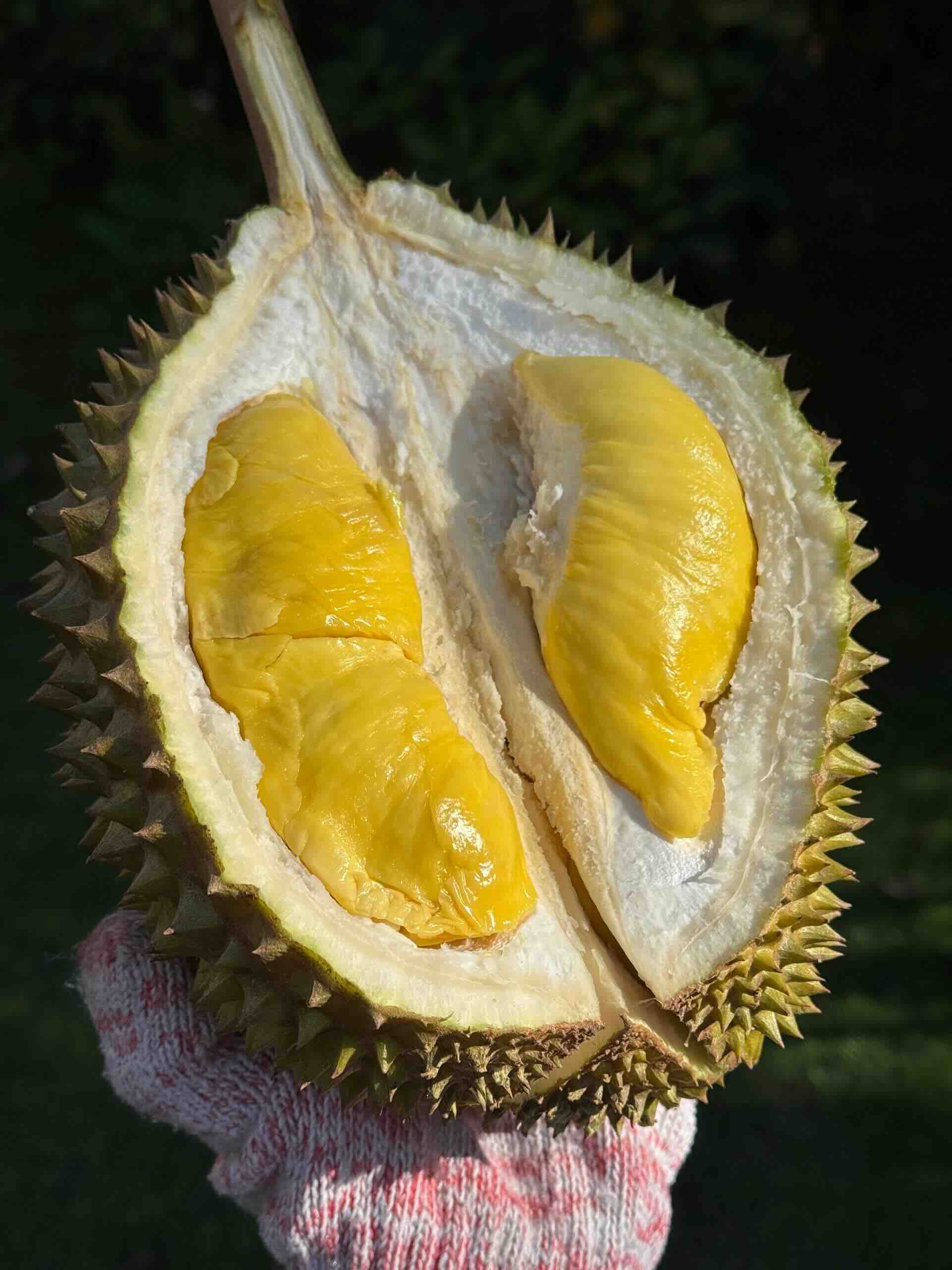
1. Loaded With Antioxidants
Durian is rich in polyphenols, flavonoids, and carotenoids, all of which function as antioxidants in the body. Antioxidants neutralize free radicals, unstable molecules that damage cells and contribute to aging and chronic disease.
A 2022 study published in PeerJ tested durian pulp, seed, and peel flour extracts and confirmed significant antioxidant capacity across all parts of the fruit. The pulp showed particularly strong free radical scavenging activity. (Muangrat et al., 2022, PMC8830296)
A separate 2024 study in Scientific Reports went further, finding that durian pulp extract is a rich source of gamma-glutamylcysteine, a direct precursor to glutathione, which is often called the body's "master antioxidant." (Manfredini et al., 2024)
Caveat: Most antioxidant research on durian has been done in cell cultures, not in human trials. Eating durian delivers these compounds, but how much of the effect translates to real-world health outcomes in people is still an open question.
2. Anti-Inflammatory Properties
Chronic inflammation is linked to heart disease, diabetes, and several types of cancer. Durian extracts have shown anti-inflammatory effects in lab settings.
The same 2022 PeerJ study found that durian flour extracts suppressed nitric oxide production in stimulated immune cells, a standard marker of inflammation. Durian extracts were also more effective at reducing inflammatory cytokines (TNF-alpha and IL-8) than rambutan extracts tested in the same study. (Muangrat et al., 2022, PMC8830296)
Caveat: These are in vitro results (cell studies). Nobody has run a controlled human trial to see if eating durian measurably reduces inflammation in people. Promising, but preliminary.
3. Supports Heart Health Through Potassium
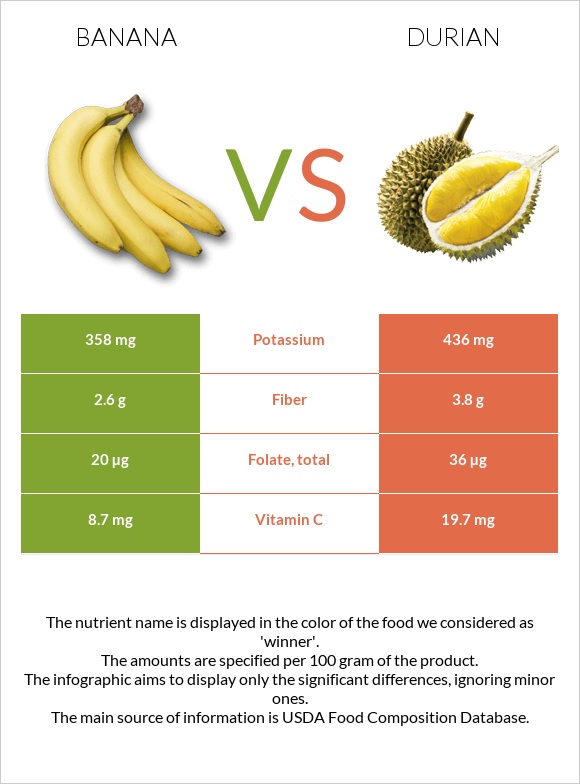
Durian contains 436mg of potassium per 100g, putting it in the same league as bananas. Potassium is well-established in cardiovascular research: it helps regulate blood pressure by counteracting the effects of sodium and relaxing blood vessel walls.
A study published in the Journal of Food Properties specifically looked at durian's effect on blood pressure and heart rate in healthy volunteers. The result: moderate durian intake (around 250g to 500g) did not raise blood pressure. A temporary increase in heart rate was observed at the 500g dose, but it normalized within two hours. (Chung et al., 2015)
This is relevant because "durian raises blood pressure" is a common myth. The data doesn't support it at normal serving sizes.
4. Natural Energy Boost From B Vitamins
Durian is unusually rich in B vitamins for a fruit. Per 100g, it delivers 31% of your daily thiamin (B1), 19% of B6, 15% of riboflavin (B2), and 9% of folate. B vitamins are essential for converting food into energy at the cellular level.
Thiamin in particular supports the metabolism of carbohydrates. Since durian also contains 27g of carbs per 100g (mostly simple sugars like sucrose and fructose), the combination of fuel plus the B vitamins to process that fuel makes it an effective natural energy source.
This isn't hype. It's basic biochemistry. If you're physically active or need a pick-me-up, a couple of pieces of durian will do the job.
5. Supports Digestive Health
Durian contains 3.8g of dietary fiber per 100g, which is solid for a fruit people eat as a snack. Fiber adds bulk to stool, supports regular bowel movements, and feeds beneficial gut bacteria as a prebiotic.
The prebiotic angle matters because gut bacteria diversity is increasingly linked to immune function, mental health, and metabolic health. A 2019 review in Molecules noted that durian's fiber content, combined with its polyphenol profile, may have synergistic effects on gut health. (Aziz & Jalil, 2019, PMC6463093)
Three pieces of durian gives you roughly 7g of fiber, about a quarter of the recommended 25 to 30g daily intake.
6. Lower Glycemic Index Than You'd Expect
Given how sweet durian tastes, most people assume it spikes blood sugar hard. The data tells a different story.
A study published in the Asia Pacific Journal of Clinical Nutrition measured the glycemic index of common Malaysian fruits. Durian came in at a GI of 49, which is classified as low (under 55). For comparison, watermelon scored 55, papaya 58, and pineapple 90. (Robert et al., 2008)
A GI of 49 means durian raises blood sugar more slowly than many fruits people consider "healthier." This doesn't mean it's free food for diabetics, the sugar content is still 12.9g per 100g and portions add up fast. But the GI number is lower than most people guess.
7. Excellent Source of Folate
Folate (vitamin B9) is critical for DNA synthesis, cell division, and red blood cell formation. It's especially important during pregnancy for preventing neural tube defects.
A 2018 study in Plant Foods for Human Nutrition specifically analyzed folate content across durian cultivars and found that certain varieties qualify as "superior folate sources," containing higher levels than fruits commonly recommended for folate intake. (Ho & Bhat, 2015, PMC6279852)
Durian provides 36mcg of folate per 100g (9% DV). That's not going to replace your prenatal vitamin, but it's a meaningful contribution from something you're eating for pleasure.
8. Contains Tryptophan for Mood and Sleep
Durian contains tryptophan, an essential amino acid that the body converts into serotonin and subsequently melatonin. Serotonin regulates mood, and melatonin regulates sleep cycles. This is the same mechanism that makes turkey and warm milk associated with drowsiness.
The tryptophan content in durian is modest, and no clinical study has specifically tested whether eating durian improves sleep quality or mood. But the biochemical pathway is real and well-documented in nutrition science generally.
If you've ever felt a pleasant drowsiness after a durian session, tryptophan is likely part of the reason, alongside the caloric load.
9. Supports Skin Health
Durian's combination of vitamin C (22% DV per 100g) and copper (23% DV) is relevant for skin health. Vitamin C is required for collagen synthesis, the protein that gives skin its structure and elasticity. Copper is a cofactor for lysyl oxidase, an enzyme involved in cross-linking collagen and elastin fibers.
A U.S. patent (US20070116789A1) was actually filed for the use of durian fruit extracts in skin care compositions, based on the fruit's antioxidant profile. Whether eating durian produces visible skin benefits is harder to prove, but the nutrient profile is aligned with what dermatological research identifies as important for skin maintenance.
10. Contributes to Bone-Supporting Minerals
Durian contains a spread of minerals involved in bone health: potassium (436mg/100g), magnesium (30mg), manganese (14% DV), and phosphorus (39mg). None of these amounts are extraordinary on their own, but together they contribute meaningfully if durian is part of a varied diet.
Potassium in particular has been linked to bone health in population studies. Higher potassium intake is associated with reduced calcium excretion and better bone mineral density, particularly in older adults. The mechanism is thought to involve potassium's role in maintaining acid-base balance, reducing the need for the body to pull calcium from bones as a buffer.
What the Science Doesn't Support (Yet)
Some claims you'll see online about durian don't hold up under scrutiny:
"Durian cures cancer." Durian extracts have shown anti-proliferative effects on cancer cell lines in lab dishes. This is very different from treating cancer in a human body. Many foods show anti-cancer activity in vitro. It doesn't mean eating them prevents or treats cancer.
"Durian is a natural antidepressant." The tryptophan-serotonin link is real chemistry, but no study has demonstrated that durian consumption measurably improves depressive symptoms. Calling it an antidepressant is a stretch.
"Durian detoxifies the body." There's no scientific basis for this claim. Your liver and kidneys handle detoxification. Durian doesn't do anything special here.
I think it's important to be honest about these limits. Durian is a nutrient-dense fruit with genuinely interesting properties. It doesn't need to be oversold.

The Bottom Line
Durian has real, documented health properties backed by published research. It's a strong source of antioxidants, B vitamins, potassium, and fiber. It has a lower glycemic index than most people expect. And it contains bioactive compounds that show anti-inflammatory potential in lab settings.
The honest caveat is that most durian-specific research is still at the in vitro or animal study stage. We don't have large-scale human clinical trials confirming these benefits. What we do have is solid nutritional data showing that durian delivers meaningful amounts of nutrients that are independently well-studied for their health effects.
Eat it because it's delicious. The health benefits are a bonus.
If you're a durian farmer interested in understanding what makes your fruit valuable beyond taste, DurianPro helps you track everything from tree health to harvest output, giving you the data to tell a richer story about what you grow.
Frequently Asked Questions
What are the main health benefits of durian? Durian is rich in antioxidants, B vitamins (especially thiamin at 31% DV per 100g), potassium (436mg/100g), and dietary fiber. Research has also shown anti-inflammatory properties in lab studies and a lower-than-expected glycemic index of 49.
Is durian good for your heart? Durian's high potassium content supports blood pressure regulation. A published study found that moderate durian intake does not raise blood pressure in healthy individuals, contradicting a common myth.
Can durian help you sleep? Durian contains tryptophan, which the body converts to serotonin and melatonin, both involved in sleep regulation. No clinical trial has specifically tested this with durian, but the biochemical mechanism is well-established.
Is durian good for digestion? Yes. Durian provides 3.8g of fiber per 100g, which supports regular bowel movements and feeds beneficial gut bacteria. Three pieces delivers about 7g of fiber.
Does durian raise blood sugar? Less than you'd think. Durian has a glycemic index of 49 (classified as low), which is lower than watermelon, papaya, and pineapple. But portion size still matters, especially for people managing diabetes.
Sources: Muangrat et al. (2022), "Antioxidant and anti-inflammatory activities of durian pulp, seed and peel flour", PeerJ. Manfredini et al. (2024), "Durian fruit pulp extract enhances intracellular glutathione levels", Scientific Reports. Aziz & Jalil (2019), "Bioactive Compounds, Nutritional Value, and Potential Health Benefits of Indigenous Durian", Molecules. Chung et al. (2015), "Effects of Durian Intake on Blood Pressure and Heart Rate", Journal of Food Properties. Robert et al. (2008), "Glycemic index of common Malaysian fruits", Asia Pacific Journal of Clinical Nutrition. Ho & Bhat (2015), "Durian Fruits Discovered as Superior Folate Sources", Plant Foods for Human Nutrition. Nutritional data from USDA FoodData Central (FDC ID 168192).